Image-to-video
Image-to-video is a way of making a short clip by giving an AI model a still picture to start from, plus a sentence that says how things should move. The picture fixes how the scene looks, and the model invents the motion.
Last updated November 8, 2026
How it works
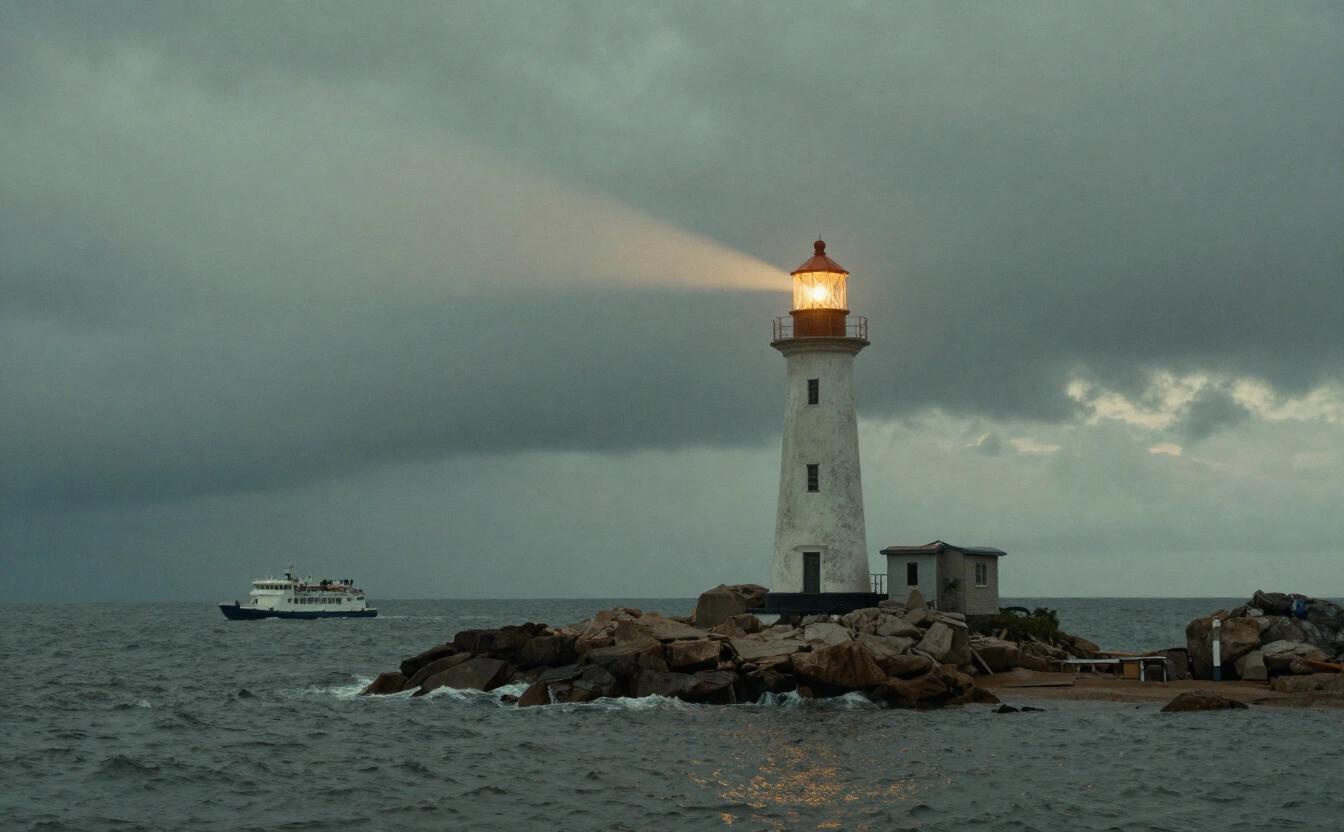
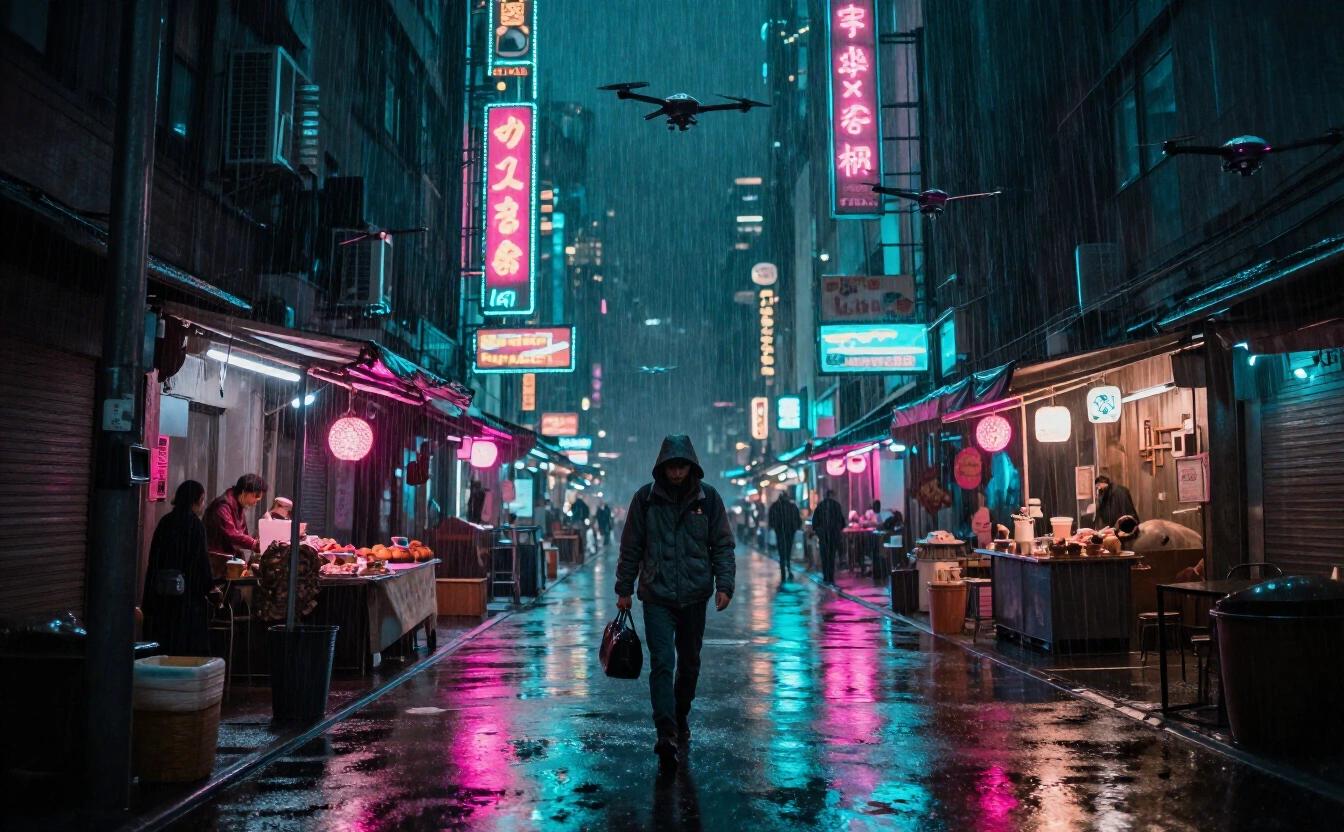
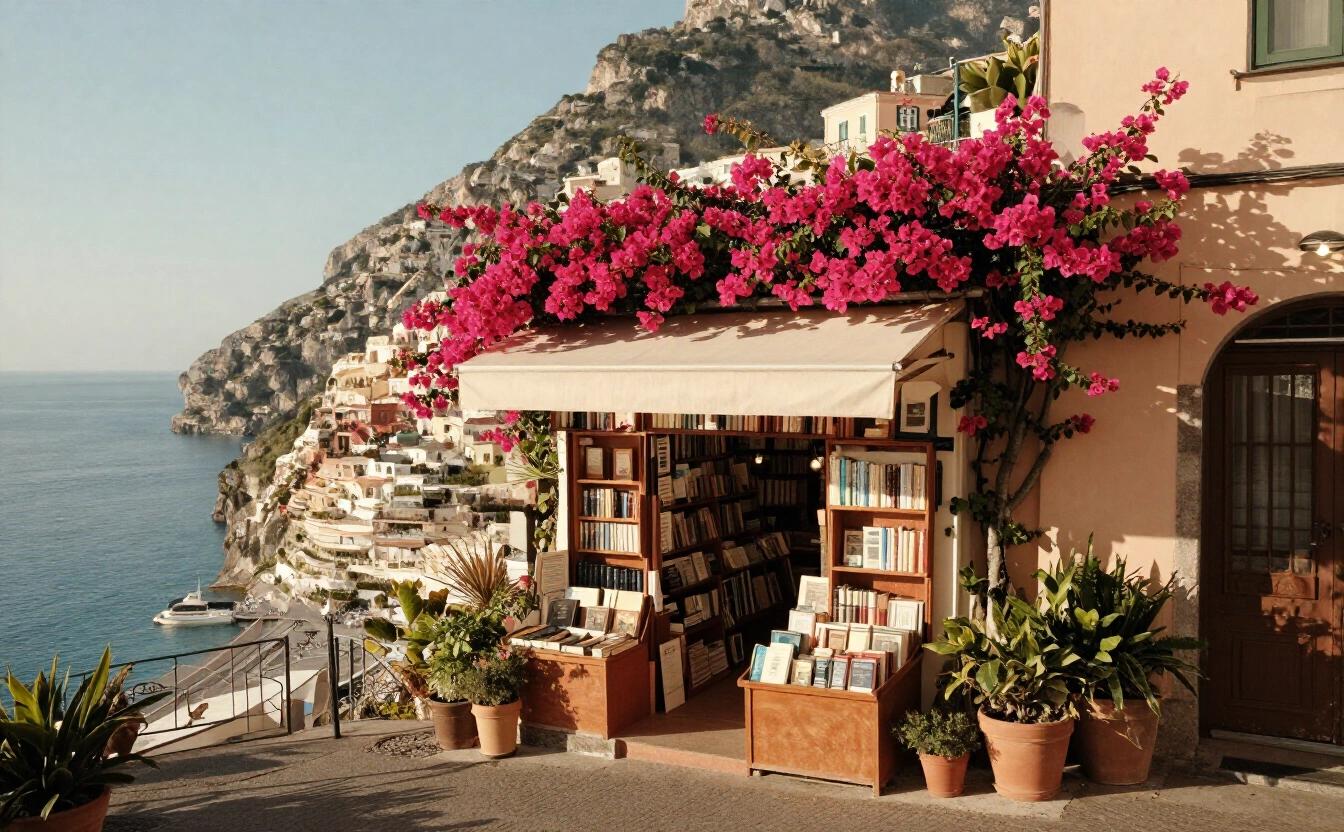
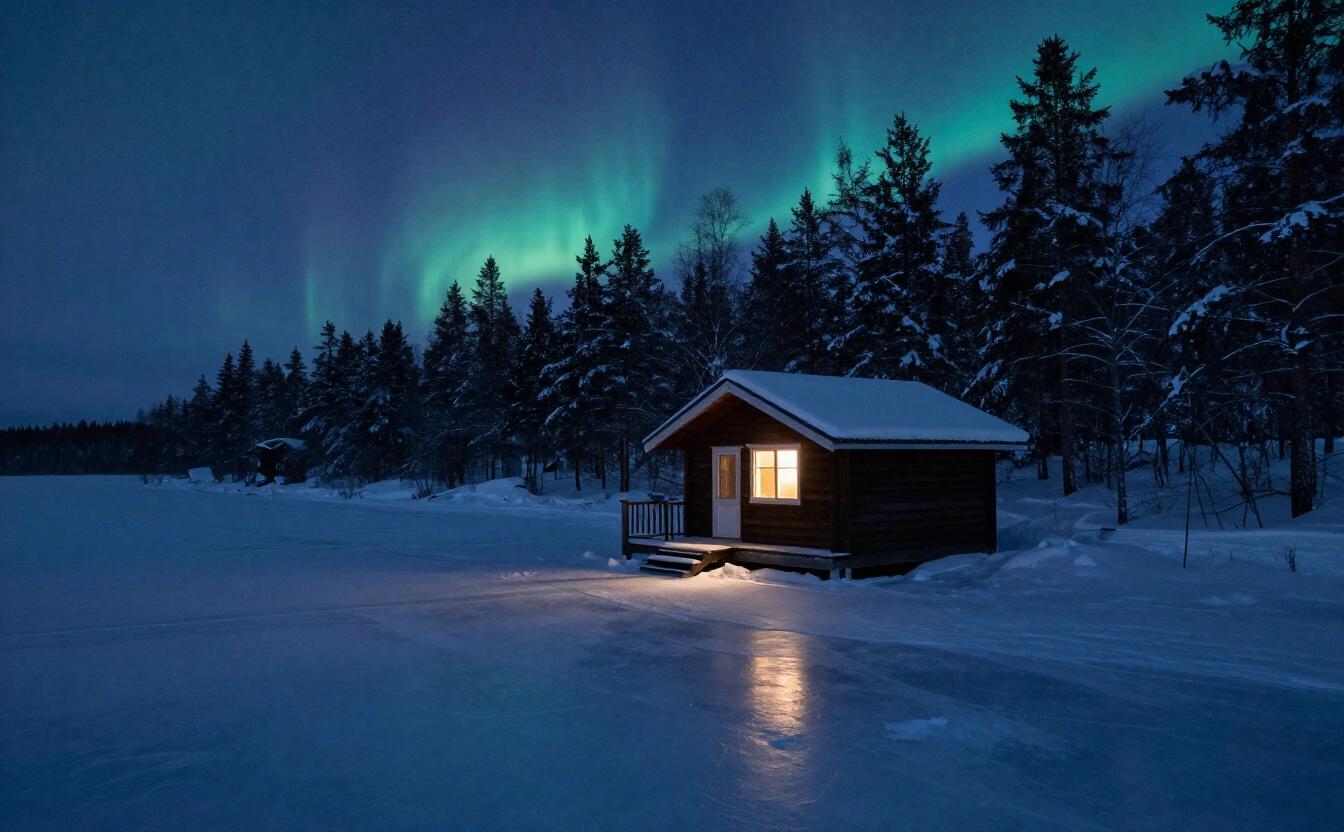
Text-to-video starts from words alone, so the model has to decide at once what the characters, the place and the light look like. Image-to-video removes that guesswork. You bring the picture, whether a photo, a drawing or an image made by another model, and it becomes the first frame. The prompt then only has to say what happens next: a slow push toward a face, wind in the hair, clouds drifting, a camera circling an object. Because the look is already settled, results tend to be steadier and easier to repeat than those from a text prompt alone. Photographers and designers use it to bring a product shot, a portrait or an illustration to life without filming anything, and storytellers use it to test a scene before committing to heavier production.
Under the hood, most current video models are diffusion models that work on a whole sequence of frames together, removing noise step by step while the first frame acts as an anchor. Some models also accept a last frame and then fill in the movement between two pictures. Typical settings are the duration in seconds, the orientation (wide 16:9 or tall 9:16) and sometimes a seed, a number that makes a result easier to reproduce. Video needs far more computing than a still image, so it is usually priced per second of footage and takes from tens of seconds to a few minutes.
The limits are worth knowing. Short clips of a few seconds stay coherent, while longer ones drift, so faces, hands and small objects can change shape. Fine lettering in the picture may blur. A low-resolution source gives a soft clip, which is why people often enlarge the picture first with upscaling. And as with any generated media, you answer for what you animate: pictures of real people need their consent. A practical habit is to keep the instruction short and concrete, one subject and one movement, since crowded instructions confuse models and produce jittery, flickering results.
In NeverNo
NeverNo has an Animate action that turns a still picture into a clip in one click, with motions taken from a short list of its own. The video catalog states, for every model, its price per second, its sizes (16:9 or 9:16) and whether it takes a first frame only or a first and a last frame. The starting picture can come from Z-Image Turbo, the default model of the image Studio, included in every plan.
Several video models on NeverNo are anonymized: their maker reads the prompt and the picture under its own policy. Long creations are made at Runware; the finished video waits on Runware's CDN until your browser downloads it, and is then sealed in your browser with the rest of your media. Our servers keep the model, the status, the dates and the credits for the job, with no prompt and no file. Pick the format that suits where the clip will be shown, wide for screens and tall for phones, before you press the button.
Worth remembering
The picture fixes the look; the prompt only describes the movement.
Clips are short: a few seconds stay coherent, longer ones drift.
Some models accept a first and a last frame, others only a first one.
Video is billed per second of footage, far above the price of a still image.
Enlarge a small picture with upscaling before you animate it.
Frequently asked questions
Is image-to-video better than text-to-video?
It is often steadier, because the look is already decided by your picture. Text-to-video suits open ideas where you want the model to invent everything.
How long can a clip be?
It depends on the model. The video catalog and the Studio show the lengths each model offers, and they are short clips of a few seconds.
Can I animate a photo of a real person?
Only with that person's consent. NeverNo applies the same hard limits to everyone: nothing involving minors, nothing about real people without their consent, no real help to seriously harm others. Longer stories are usually built by joining several short clips.
Ask your first question
No account and no card. Write in any of the 10 languages NeverNo speaks.
Open the chat