NeverNo Uncensored
NeverNo's own image model, built on Z-Image: fewer arbitrary refusals, no outside lab reading your prompt, and a picture in about four seconds on the daily image quota.
Updated November 9, 2026
At a glance
| Maker | Z-Image |
|---|---|
| Strengths in the app | No arbitrary refusals, Photorealism |
| Arena Elo (Artificial Analysis) | 936 |
| Typical wait | about 4 s |
| Who can use it | Paid plans |
| How it’s paid | Included in the plan’s daily allowance, then credits |
| Privacy | Private: an open model run by NeverNo on providers chosen because they don’t keep requests. Your history stays encrypted in your browser. |
Price
What the app charges, read from the same table the servers bill with. 1 credit = $0.01.
| Image | 0.6 credits ($0.006) |
|---|
Included in the plan’s daily allowance first; these prices apply beyond it.
What it is
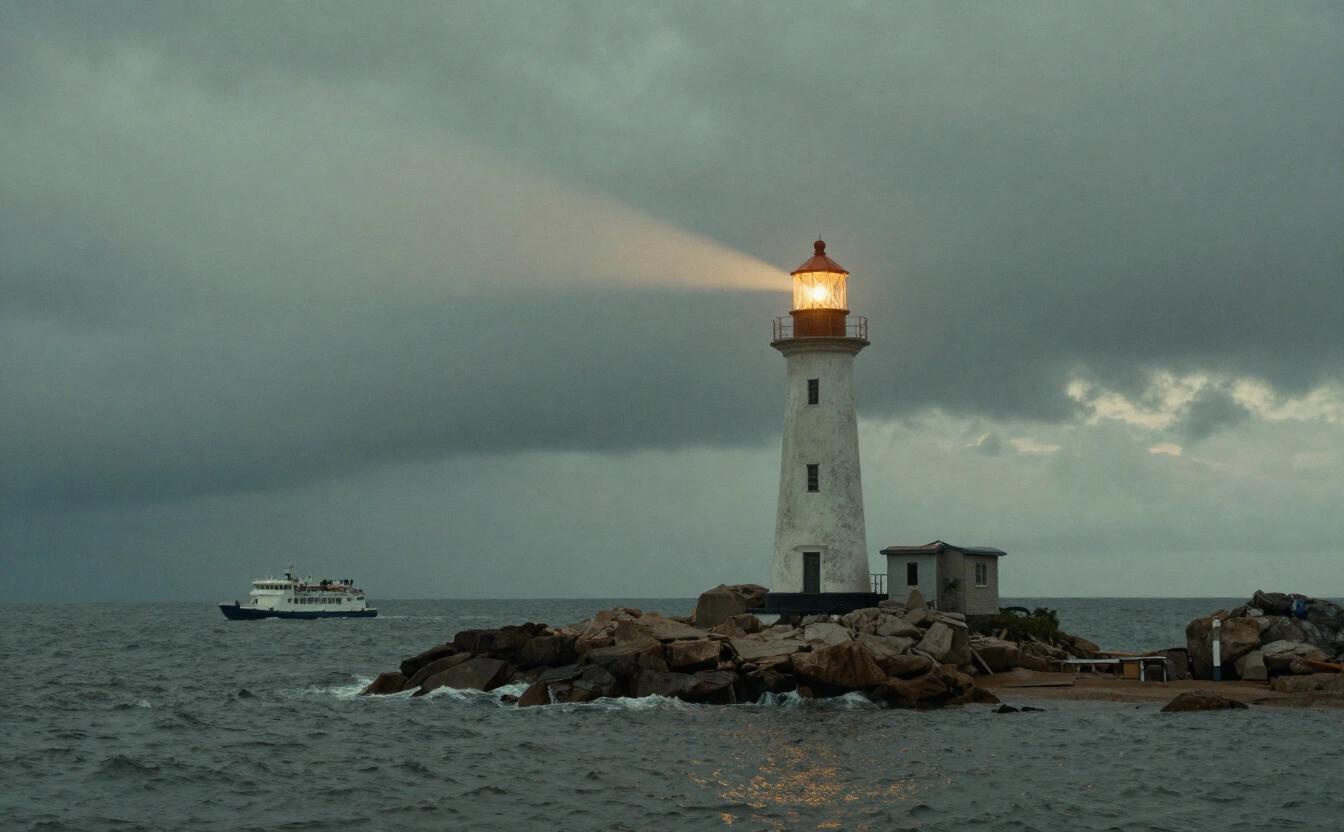
NeverNo Uncensored is the image model NeverNo runs itself, built on the open Z-Image family. It is part of the paid plans and uses the daily image quota, not credits. The Studio tags it photo and frank: it aims at realistic pictures and answers the request you wrote rather than refusing on a hunch. A typical 1-megapixel image takes about 4 seconds, measured on Runware, our image provider. Because your pictures stay in your browser, you can also keep a private collection of references without any gallery on our side.
What sets it apart is who sits between you and the picture. Most premium image models go through their maker's API, which applies the maker's own rules and is shown as anonymized in the Studio. This one is served by NeverNo's own image provider, with no outside lab's moderation layer, which is why we call it private. A few of NeverNo’s hard limits never move, whatever the wording, and they apply here as everywhere else. Your images are kept in your browser, not in a gallery on our servers.
Quality is on par with the rest of its family. On the Artificial Analysis text-to-image arena, read on November 8, 2026, it has an Elo of 936, the same as Z-Image Turbo, versus 950 for Z-Image and 1117 for FLUX 3. It is not the sharpest model in the catalog and it is not tagged for lettering. Its value is the combination of speed, realism and a request that gets drawn instead of turned down.
It takes everything the Studio offers: a description of up to 1,500 characters, fifteen style presets, eight aspect ratios and up to four variants per request. If Auto picks a premium model that declines a request, the Studio can fall back to an included image model, so you rarely land on a dead end.
Strengths
Private: served by NeverNo's own image provider, with no outside lab's moderation layer on your prompt.
Fewer arbitrary refusals: it draws the request you wrote instead of turning it down on a hunch.
About 4 seconds for a typical 1-megapixel image (measured on Runware).
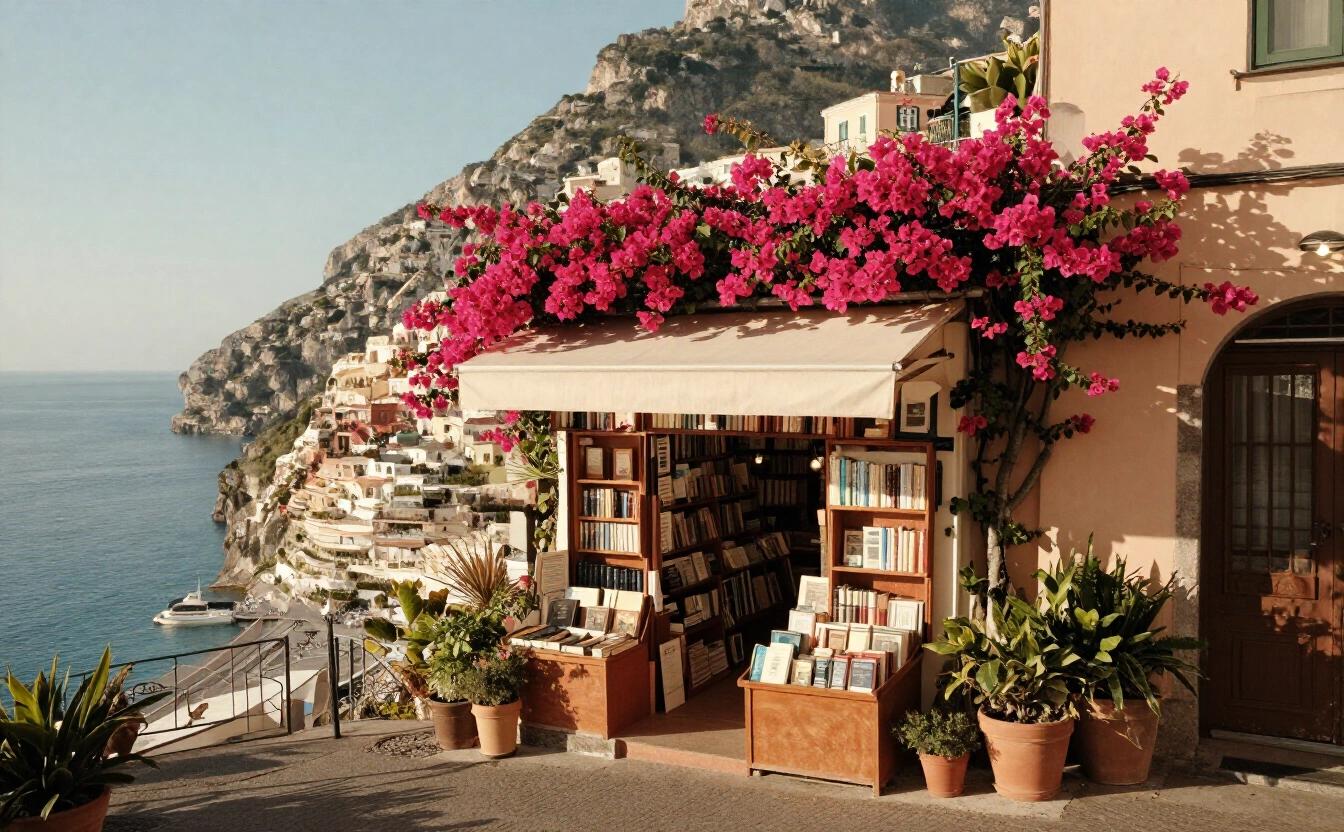
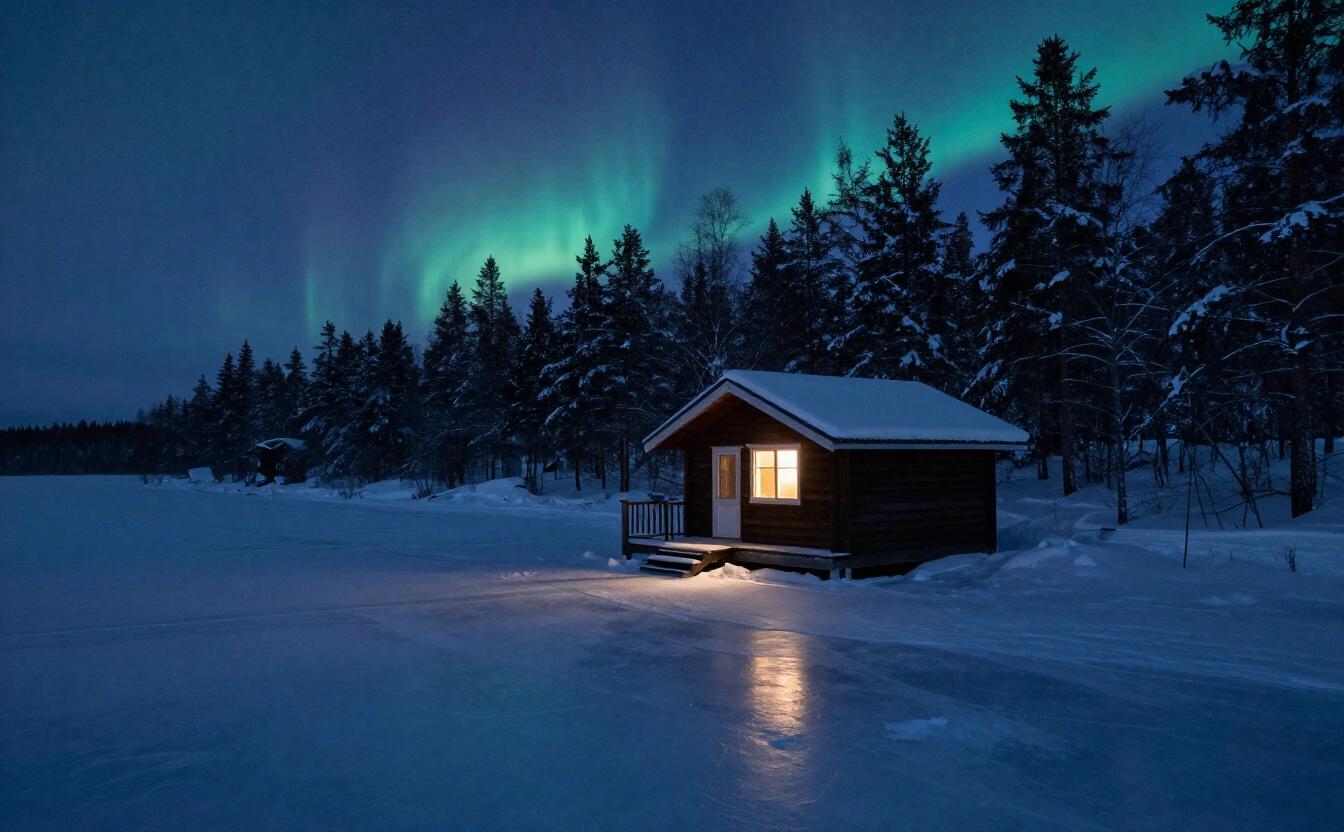
Tagged for photographic looks, a sensible base for portraits, places, products and everyday scenes.
On the daily image quota of paid plans, so no credits to count while you iterate.
Limits
Reserved for paid plans; it is not part of the Free plan, where Z-Image Turbo and FLUX 3 Klein are the included image models.
Its Elo of 936 (Artificial Analysis, read November 8, 2026) is below Z-Image (950) and well below FLUX 3 (1117); it shows in fine detail and crowded scenes.
Not tagged for lettering: for legible words in the picture, FLUX 3 Klein or GPT Image 2.6 are better suited.
NeverNo's own hard limits still apply to every request.
When to choose it
Realistic portraits and characters
Writers, game masters and illustrators can draw the people from their stories without arguing with a filter: the face of a ship's captain, a village innkeeper, a character sheet portrait. Ask for four variants, keep the one that matches the person in your head, then reuse its wording for the rest of the cast.
Concept art that has to be taken at its word
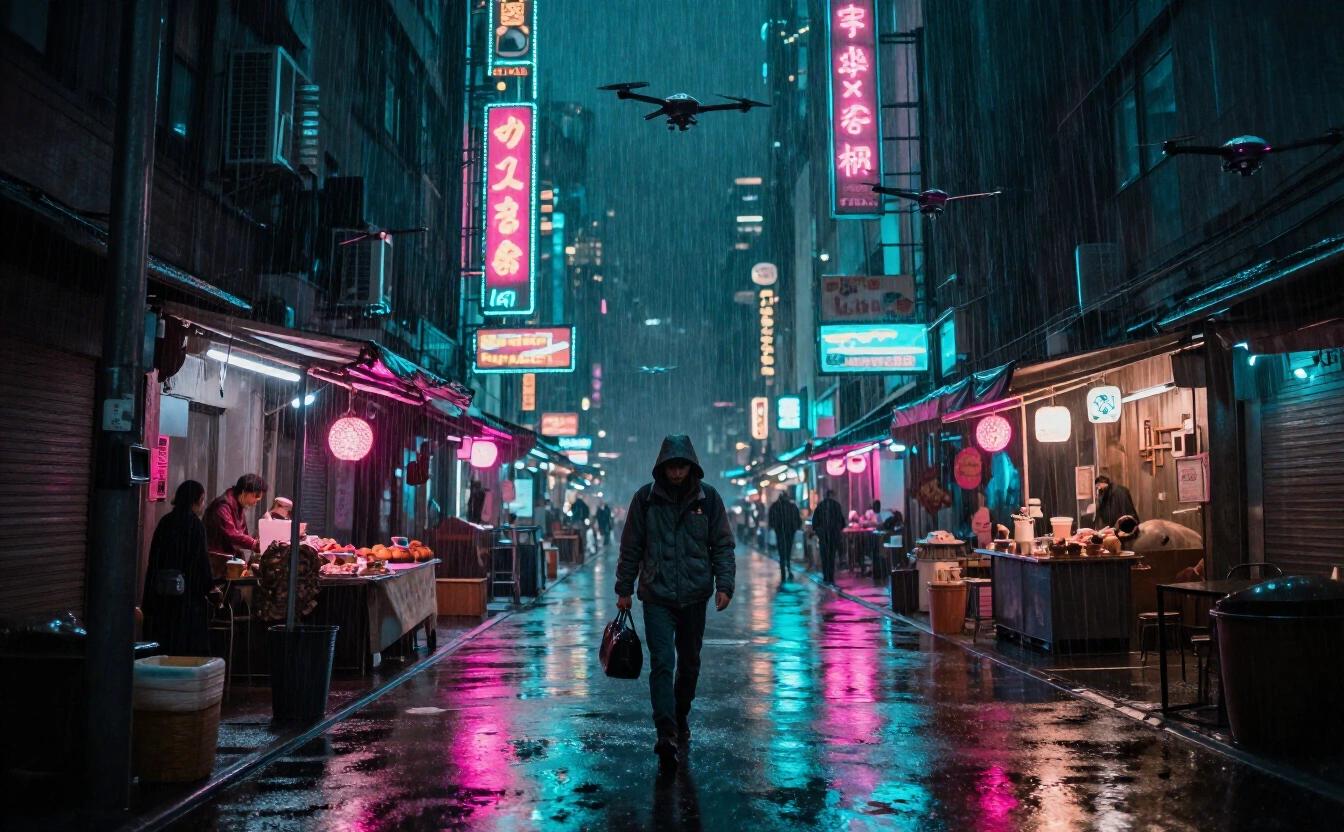
Moody fantasy, crime-fiction covers and dystopian posters, the kind of dark atmosphere that cautious models tend to soften. Because requests are not second-guessed by an outside lab, a moody scene stays moody.
Fast iteration with privacy
Product mock-ups, unreleased designs or personal projects whose prompts you would rather not send to a third-party lab. Four seconds a picture means you can refine a description a dozen times in a few minutes.
Prompt tips
Describe the scene as you would to a photographer: subject, framing, light, setting. Photographic wording such as "85mm portrait, soft window light" suits the model's photo tag.
Be direct. There is no need to soften a request in the hope of getting past a filter; say exactly what you want, in plain sentences, and adjust one detail per round.
Use a style preset when you want a look other than photographic, for instance film noir or oil painting, and keep the rest of the prompt about content, not about style words.
Frequently asked questions
Is the NeverNo Uncensored image model free?
It is included in paid plans and uses the daily image quota instead of credits. The Free plan has Z-Image Turbo and FLUX 3 Klein.
What does private mean here?
The model is served by NeverNo's own image provider, so no outside lab's moderation layer reads your prompt. NeverNo's own hard limits still apply, and your images are stored in your browser, not on our servers.
How fast is it?
A typical 1-megapixel image takes about 4 seconds, measured on Runware, our image provider.
NeverNo Uncensored or Z-Image?
Both are built on the Z-Image family. Z-Image scores slightly higher on the arena (950 versus 936, read November 8, 2026) and is tagged for detail; NeverNo Uncensored is tagged frank, with fewer refusals, and is a little faster.
Can it write text inside pictures?
It is not tagged for text. For signs, titles and labels, FLUX 3 Klein is included in every plan and GPT Image 2.6 is the strongest premium choice.