Z-Image
The fuller sibling of Z-Image Turbo: an open Tongyi model tagged for detail and photo, about six seconds a picture, served by NeverNo's own provider on the daily image quota.
Updated November 9, 2026
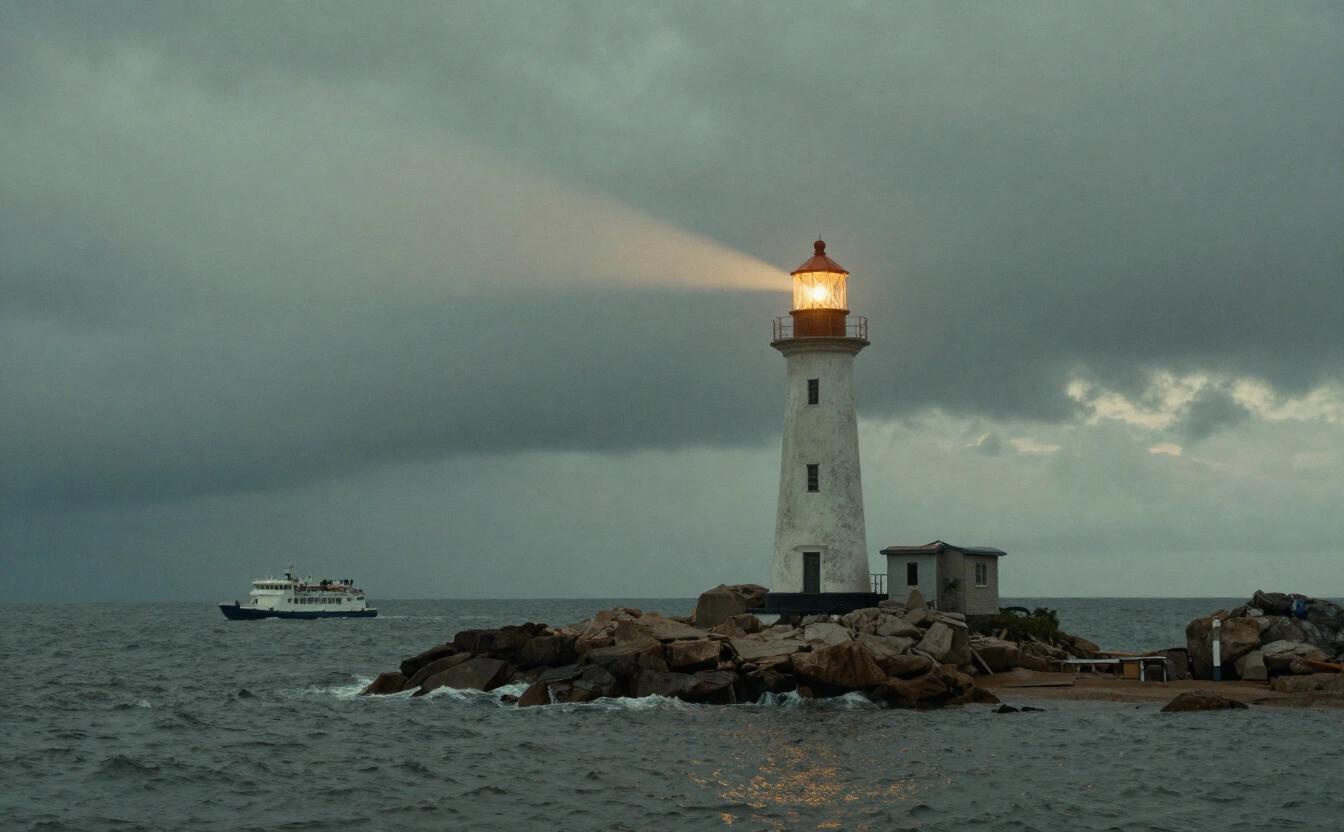
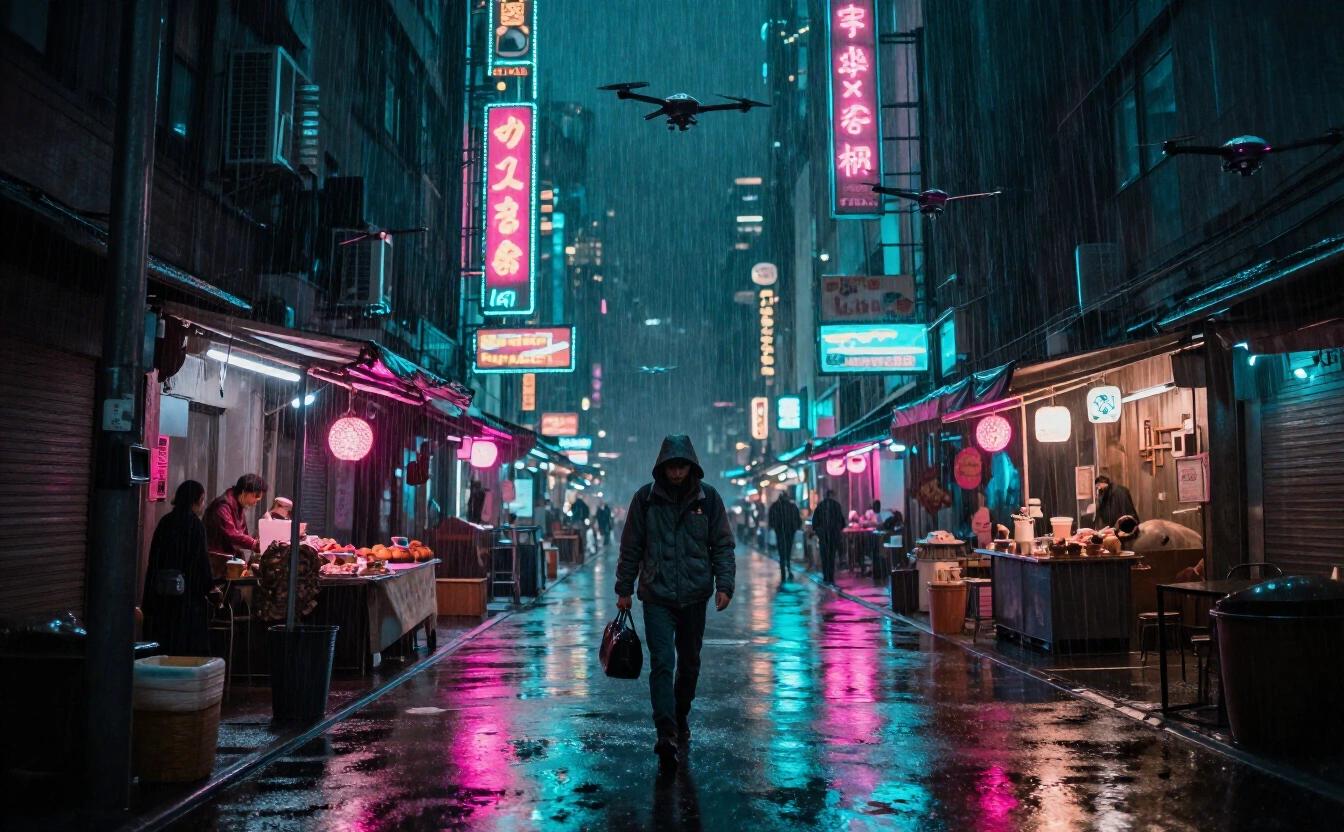
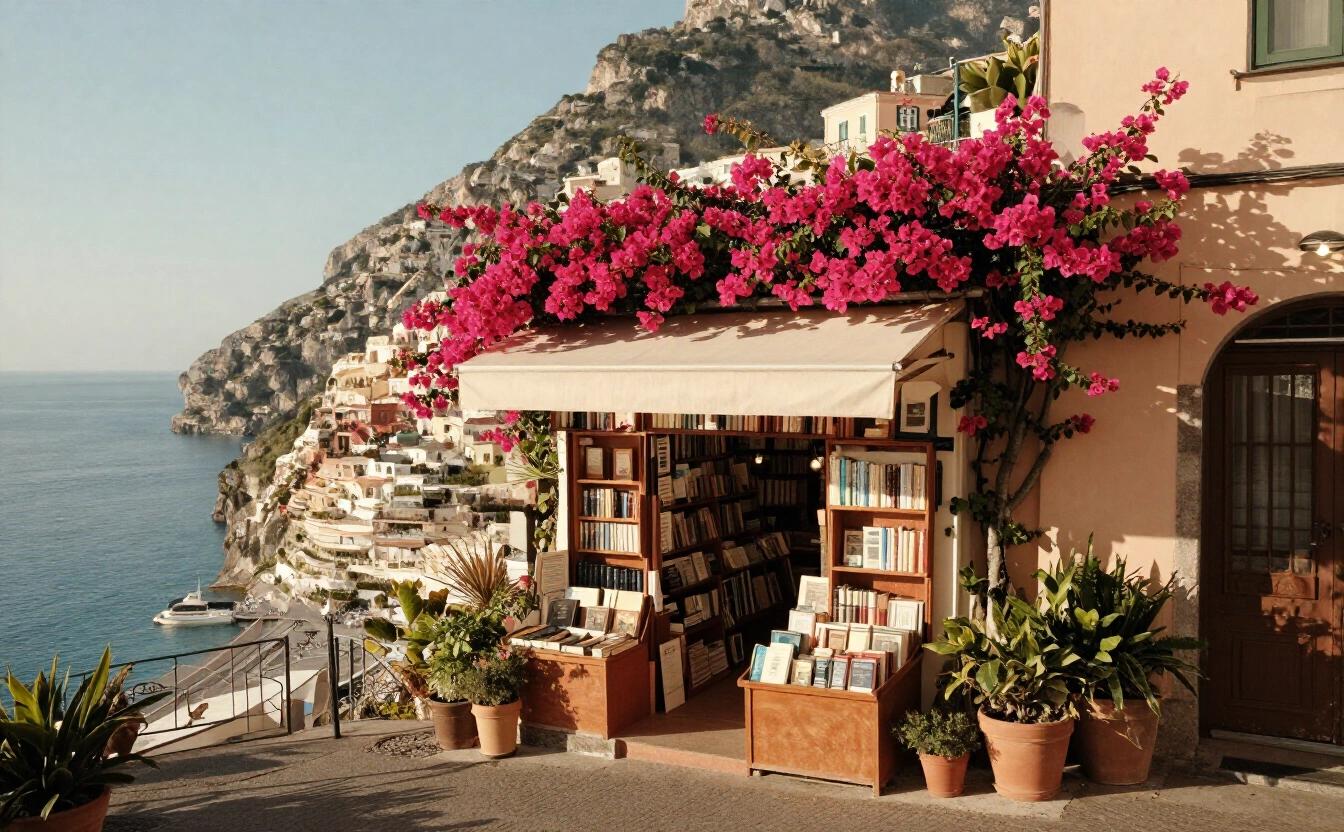
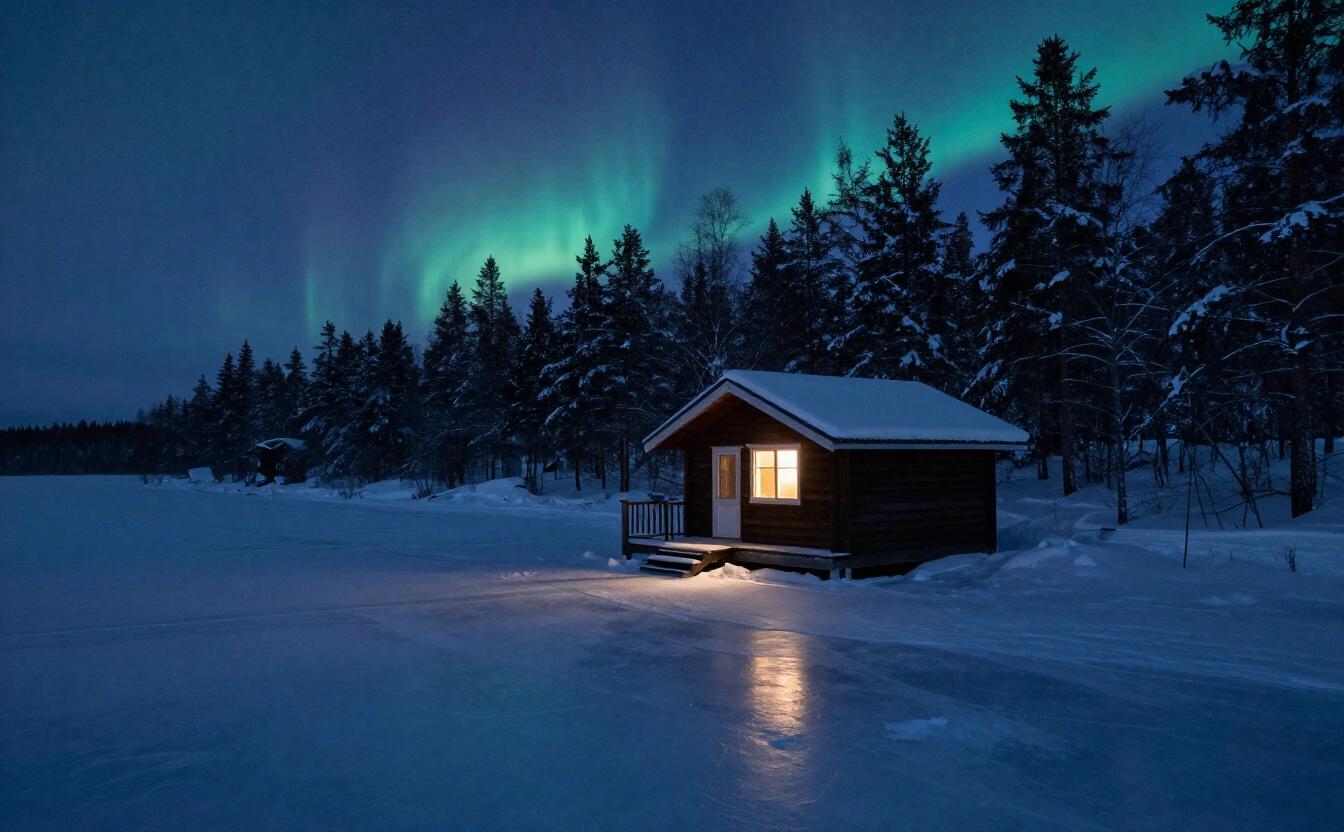
At a glance
| Maker | Tongyi |
|---|---|
| Strengths in the app | Fine detail, Photorealism |
| Arena Elo (Artificial Analysis) | 950 |
| Typical wait | about 6 s |
| Who can use it | Paid plans |
| How it’s paid | Included in the plan’s daily allowance, then credits |
| Privacy | Private: an open model run by NeverNo on providers chosen because they don’t keep requests. Your history stays encrypted in your browser. |
Price
What the app charges, read from the same table the servers bill with. 1 credit = $0.01.
| Image | 1.88 credits ($0.0188) |
|---|
Included in the plan’s daily allowance first; these prices apply beyond it.
What it is
Z-Image is an open text-to-image model from Tongyi, and the careful sibling of Z-Image Turbo. The Studio tags it detail and photo. It is part of the paid plans and runs on the daily image quota rather than on credits, so you can work through a long series without counting. A typical 1-megapixel image takes about 6 seconds, measured on Runware, our image provider, about twice the time of the Turbo version. Mixing both siblings works well: sketch with Turbo, refine here, and keep the final files in your browser, ready for the day the project is done.
The extra seconds buy a little more. On the Artificial Analysis text-to-image arena, read on November 8, 2026, Z-Image has an Elo of 950, versus 936 for Z-Image Turbo and for NeverNo Uncensored, the image model built on the same family. The gap is small and we would not oversell it: the real reason to choose Z-Image is the detail tag, which suits textures, fabric, foliage and faces seen close up, at a speed that still allows quick rounds.
It is private in the sense NeverNo uses for open models. It is served by NeverNo's own image provider, with no outside lab's moderation layer reading your prompt, while NeverNo's own hard limits still apply to every request. That is different from premium models such as FLUX 3 or GPT Image 2.6, which go through their maker's API, are shown as anonymized and apply their maker's rules. Your pictures are stored in your browser, not on our servers.
Everything in the Studio is available: a description of up to 1,500 characters, fifteen style presets, eight aspect ratios and up to four variants per request. For a quick first pass, Z-Image Turbo is the faster door; Z-Image is where you go once you know what you want to see up close. For a long project, the quota is the quiet advantage. A comic storyboard, a set of forty reference pictures for a game level or a catalog of fabric swatches would burn through credits on a premium model, while here every attempt draws from the same daily allowance. That freedom to retry, adjust the framing or switch aspect ratio without a meter running is what makes patient, careful iteration realistic.
Strengths
Tagged for detail and photo: a good fit for textures, close-ups, portraits and natural scenes.
About 6 seconds for a typical 1-megapixel image (measured on Runware).
Private: an open model served by NeverNo's image provider, with no outside lab's moderation layer on your prompt.
On the daily image quota, so no credits to count during a long series.
Limits
Reserved for paid plans; the Free plan has Z-Image Turbo and FLUX 3 Klein instead.
Its Elo of 950 (Artificial Analysis, read November 8, 2026) is only a little above Z-Image Turbo (936) and well under FLUX 3 (1117) and the OpenAI models.
Not tagged for lettering: legible words in the picture are better left to FLUX 3 Klein or Qwen Image 2.1 Turbo.
NeverNo's own hard limits still apply to every request.
When to choose it
Close-up portraits and textures
Weathered hands, knitted wool, tree bark, rain on a window: subjects where the grain of the material is the picture. Ask for four variants and compare how each renders the surface before you keep one.
Reference images for artists and designers
Mood references for a painter, material references for a game artist, color and light studies for an interior designer. A realistic base with convincing detail gives something to paint over or to brief a human collaborator with.
Second pass after a Turbo draft
Find the idea with Z-Image Turbo in about 3 seconds, then run the same description here for a finer version at no credit cost. If it still is not enough, a premium model like FLUX 3 is the next step.
Prompt tips
Name the materials and the light: "worn leather armchair, late afternoon sun, shallow depth of field". A detail-oriented model rewards concrete nouns over vague adjectives.
Choose the aspect ratio that fits the subject before generating: 3:2 or 4:3 for scenes, 2:3 or 3:4 for portraits, 16:9 for landscapes. Cropping afterward throws away exactly the detail you chose this model for.
Keep prompts to one clear subject. If a scene has too many elements, split it into two images and combine them later rather than hoping one render holds everything.
Frequently asked questions
Is Z-Image free on NeverNo?
It is included in paid plans and uses the daily image quota instead of credits. The Free plan has Z-Image Turbo and FLUX 3 Klein.
How fast is Z-Image?
A typical 1-megapixel image takes about 6 seconds, measured on Runware, our image provider.
Is Z-Image private?
It is an open model served by NeverNo's own image provider, with no outside lab's moderation layer. NeverNo's own hard limits still apply, and your images are stored in your browser, not on our servers.
Z-Image or Z-Image Turbo?
Z-Image is tagged for detail and scores slightly higher on the arena (950 versus 936, read November 8, 2026) but takes about 6 seconds instead of 3. Z-Image Turbo is also included in the Free plan.
Z-Image or FLUX 3?
FLUX 3 has the higher Elo (1117) and is paid in credits, with a wait of about 20 seconds and anonymized access through its maker. Z-Image is quicker, private and on the quota.